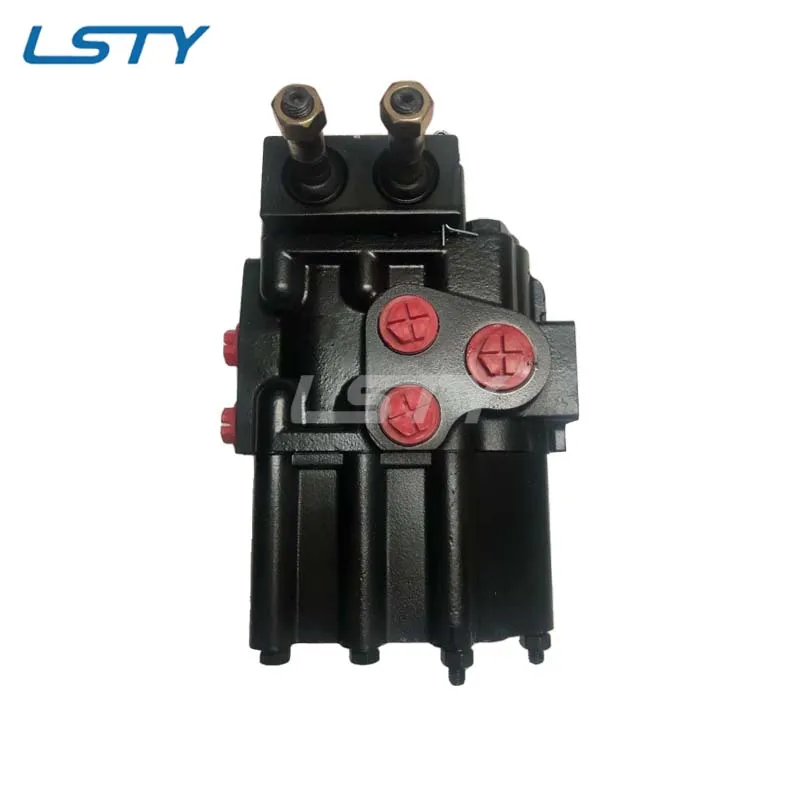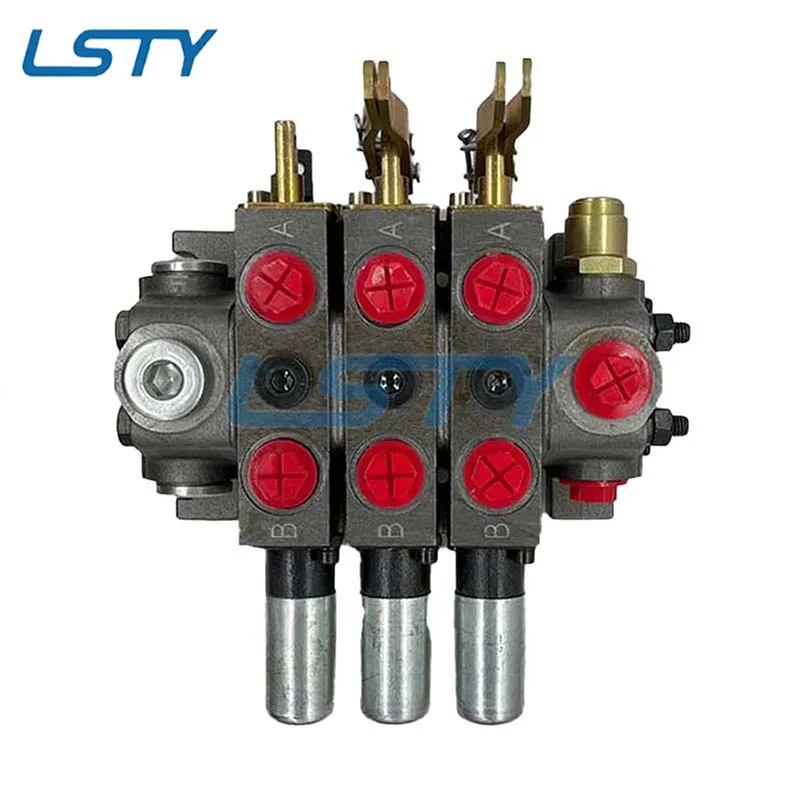





one way directional control valve
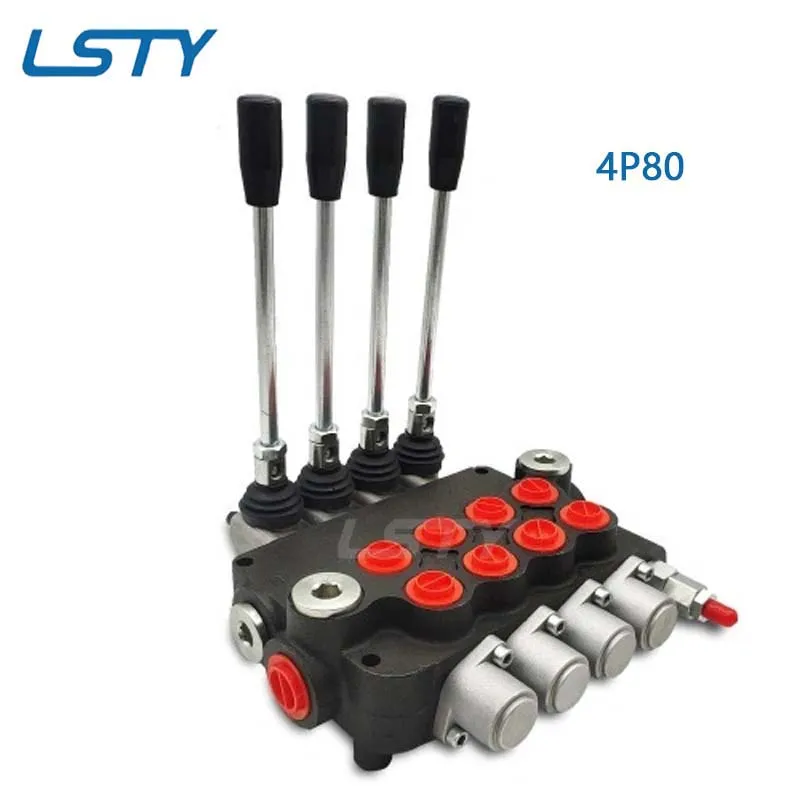
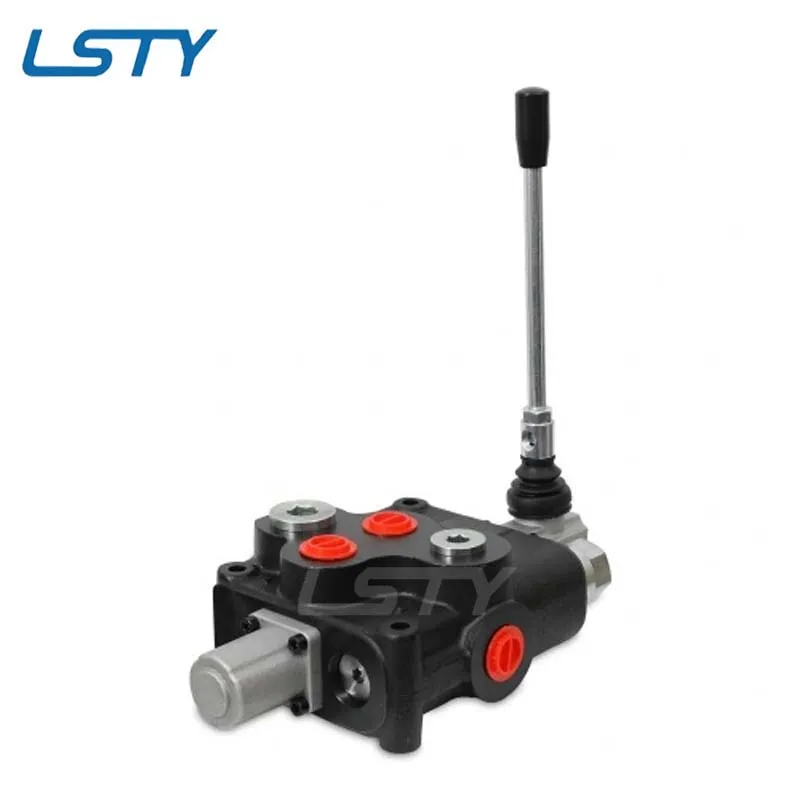
A solenoid operated directional control valve is a critical component in hydraulic systems, allowing precise control over the flow and direction of hydraulic fluid. These valves are electrically actuated by a solenoid, which shifts the spool inside the valve body to direct fluid to different ports. This mechanism provides automated control over hydraulic circuits, making it essential for mobile machinery, industrial equipment, and construction vehicles. The design of a solenoid operated directional control valve ensures rapid response and reliable operation under various load conditions. By integrating electrical control, the valve can be programmed for complex operations, such as sequential actuation of hydraulic cylinders, pressure control, or flow regulation. This capability enhances productivity and precision in systems requiring multiple hydraulic functions simultaneously. The valve’s construction typically includes a robust metal body, precision-machined spool, electrical solenoid coil, and sealing elements to prevent leakage. High-quality materials, such as stainless steel and wear-resistant alloys, ensure long-term durability even in harsh environments. Maintenance is simplified thanks to modular designs, allowing easy replacement of solenoid coils or spools without disassembling the entire hydraulic system. Applications of solenoid operated directional control valve include forklifts, agricultural machinery, hydraulic presses, and construction equipment. By providing accurate and rapid control of hydraulic fluid, these valves improve operational efficiency, reduce energy consumption, and enhance system safety. Advantages and Features of Hydraulic Solenoid Directional Control Valve A hydraulic solenoid directional control valve combines the benefits of hydraulic power with the precision of electrical actuation. Its primary advantage lies in the seamless integration of electrical signals to control hydraulic flow, which allows automated operations with minimal manual intervention. One of the key features of a hydraulic solenoid directional control valve is its fast response time. The solenoid actuator can shift the spool in milliseconds, enabling precise control over high-speed hydraulic systems. This feature is particularly valuable in industrial automation, robotic applications, and high-performance machinery, where timing and accuracy are critical. Another advantage is versatility. Hydraulic solenoid directional control valve units come in various configurations, such as 2-way, 3-way, and 4-way valves, accommodating different system requirements. They can handle diverse pressure ranges, flow capacities, and fluid types, including mineral oil, water-glycol solutions, and biodegradable fluids. The integration of position sensors and feedback mechanisms allows the hydraulic solenoid directional control valve to communicate with modern control systems, such as PLCs or CNC machines. This connectivity enables real-time monitoring, fault detection, and predictive maintenance, further enhancing system reliability. Durability and maintenance are also strong points. High-quality solenoid valves are resistant to wear, corrosion, and temperature variations, reducing downtime and maintenance costs. Electrical components are often encapsulated or coated to prevent moisture ingress and ensure long-term performance in challenging environments. Efficiency and Applications of Monoblock Directional Control Valve The monoblock directional control valve is designed as a single, integrated unit that consolidates multiple hydraulic functions into one compact body. This design reduces leak points, simplifies installation, and improves overall system efficiency. Monoblock directional control valve units are particularly useful in mobile machinery and industrial applications where space and reliability are crucial. A major advantage of the monoblock directional control valve is its ability to streamline complex hydraulic circuits. Multiple flow paths can be integrated, allowing several actuators to operate in a coordinated manner. For example, in agricultural tractors, a monoblock directional control valve can control both the lifting and tilting functions of implements, improving operational efficiency. Monoblock directional control valve units are also valued for their durability. The integrated design reduces the number of external connections and seals, minimizing potential leakage and maintenance issues. High-quality machining ensures smooth spool movement, precise flow control, and long-term reliability even under high pressure. Applications for monoblock directional control valve include excavators, loaders, hydraulic presses, and other heavy-duty equipment. They are often used in systems where multiple hydraulic functions must operate simultaneously and reliably. Their compact design also makes them suitable for retrofitting existing hydraulic systems without extensive modifications. Technical Insights into 4 3 Way Directional Control Valve The 4 3 way directional control valve is a specialized hydraulic valve designed to manage complex flow directions in multi-actuator systems. It features four ports and three positions, allowing precise control over fluid paths. This type of valve is commonly used in industrial automation, construction machinery, and mobile hydraulic systems. The primary benefit of the 4 3 way directional control valve is its ability to manage multiple hydraulic circuits with a single valve. The three positions typically include: one for neutral flow, one for directing flow to an actuator, and one for reversing flow. This configuration provides flexibility, enabling machinery to perform multiple operations efficiently. 4 3 way directional control valve units are engineered for high reliability and responsiveness. The spool is precision-machined, and the valve body is constructed from durable metals, often with protective coatings to resist corrosion and wear. Solenoid actuation ensures fast switching between positions, improving system responsiveness. These valves are essential in applications where rapid, accurate control is required. For example, in a hydraulic press, a 4 3 way directional control valve can control the movement of cylinders with precision, ensuring smooth operation and safety. Their adaptability also allows integration with automated control systems, enabling remote operation and monitoring. Proper maintenance of solenoid operated directional control valve systems ensures longevity and reliable performance. Regular inspection of solenoids, electrical connections, and hydraulic fluid quality is essential. Cleaning and replacing seals, lubricating moving parts, and monitoring for wear or corrosion can prevent unexpected downtime. When selecting a directional control valve, consider flow capacity, pressure rating, actuation type, and environmental conditions. For automated systems, the integration with electrical controls and sensors is critical. Choosing high-quality components from reputable manufacturers can significantly reduce operational costs and improve system efficiency. The market for hydraulic solenoid directional control valve and related valves is growing, driven by industrial automation, construction equipment expansion, and agricultural mechanization. Technological advancements, such as smart valves with integrated sensors and electronic control units, are increasingly in demand. Environmental regulations also promote the use of energy-efficient and low-leakage valve designs, further boosting market adoption. Solenoid Operated Directional Control Valve FAQs What is a solenoid operated directional control valve ? A solenoid operated directional control valve is an electrically actuated valve that controls the flow and direction of hydraulic fluid in a system. How does a hydraulic solenoid directional control valve improve efficiency? It enables automated, precise, and fast control of hydraulic circuits, reducing manual intervention and improving operational accuracy. What is the advantage of a monoblock directional control valve ? Its integrated design reduces leak points, simplifies installation, and allows multiple hydraulic functions to be controlled within a single unit. How does a 4 3 way directional control valve work? It has four ports and three positions, directing hydraulic fluid to different actuators with one neutral and two active flow positions. When should I use a solenoid operated directional control valve ? They are ideal for mobile machinery, industrial automation, and applications requiring precise, automated control of hydraulic circuits.
40 years of experience in manufacturing and 15 years of export experience

We can customize products according to the specific needs of customers.

High-quality products and strict test bench testing before package